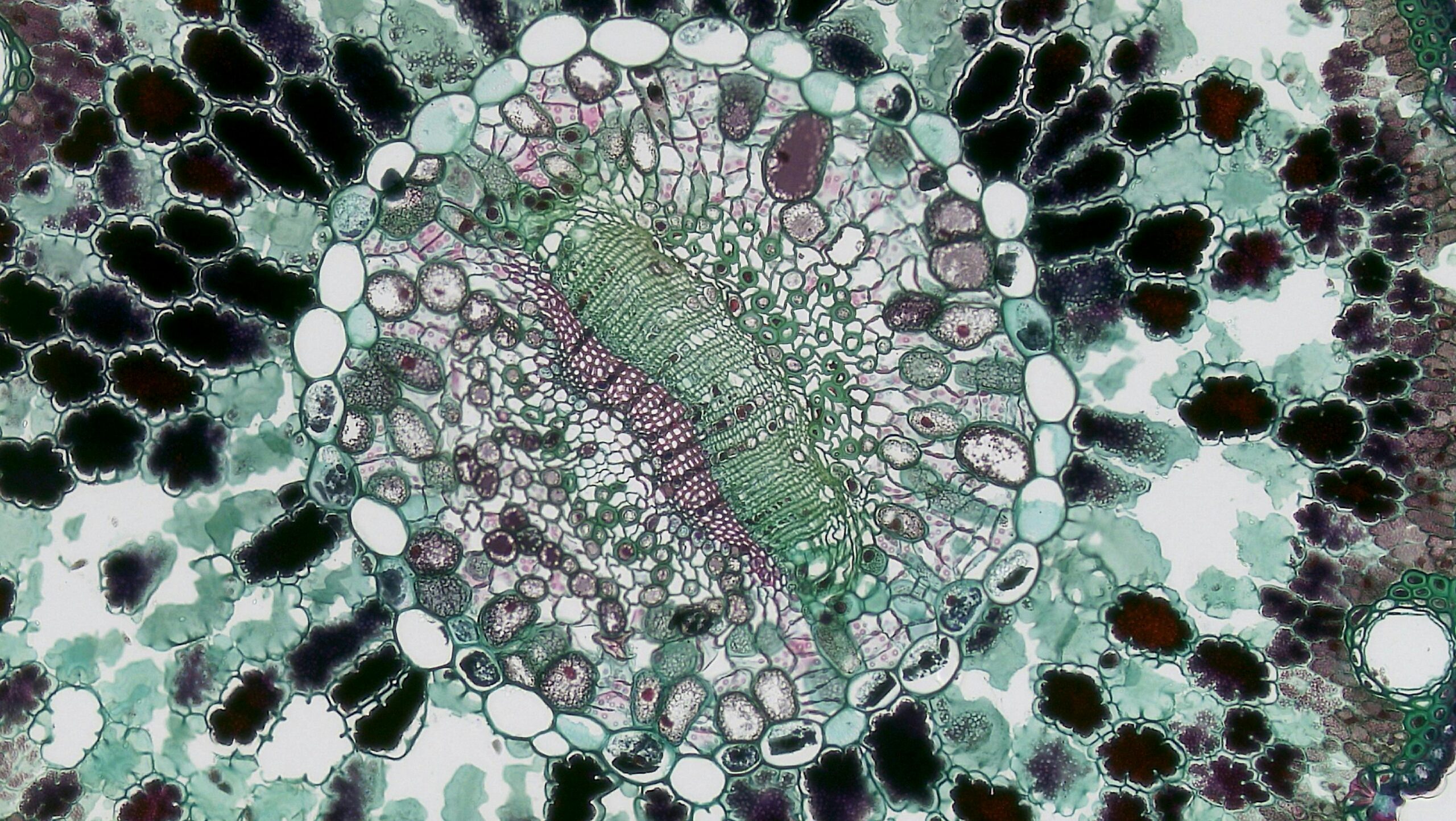
Biophotons are ultra-weak light emissions produced by living cells, representing a fascinating frontier in cellular biology and intercellular communication research that challenges our understanding of life itself.

🔬 The Hidden Language of Light Within Our Cells
Deep within every living organism, from the smallest bacteria to complex human beings, cells are constantly communicating through an invisible network of light. These quantum emissions, known as biophotons, represent one of the most intriguing discoveries in modern biophysics. Unlike the light we see from a lamp or the sun, biophotons are extremely weak photon emissions that occur spontaneously in all living systems, creating what scientists now believe is a sophisticated communication system operating at the speed of light.
The phenomenon of biophoton emission was first systematically studied by German biophysicist Fritz-Albert Popp in the 1970s, though earlier researchers had detected weak luminescence from biological tissues. What makes biophotons particularly remarkable is their coherence—they behave more like laser light than ordinary light, suggesting a highly organized biological function rather than random cellular noise.
This discovery has profound implications for our understanding of how cells coordinate their activities, how organisms maintain health, and potentially how consciousness itself emerges from biological systems. The study of biophotons bridges quantum physics, biology, and medicine, opening new pathways for diagnostics, treatment, and our fundamental comprehension of life.
Understanding the Physics Behind Biological Light Emission
Biophotons exist in the visible and ultraviolet spectrum, typically ranging from 200 to 800 nanometers in wavelength. Their intensity is remarkably low—approximately 10 to 1000 photons per square centimeter per second—which is why they cannot be seen with the naked eye and require highly sensitive photomultiplier tubes or CCD cameras for detection.
The emission of biophotons is not a random process but appears to follow specific patterns related to cellular metabolic activity, cell division, stress responses, and disease states. Healthy cells emit biophotons in a rhythmic, coherent pattern, while diseased or stressed cells show disrupted emission patterns with increased intensity and decreased coherence.
The Quantum Coherence Factor ✨
One of the most fascinating aspects of biophoton research is the evidence for quantum coherence in biological systems. Coherent light waves are synchronized in phase and frequency, similar to laser light. This coherence suggests that biophotons are not simply byproducts of metabolic processes but may serve as carriers of biological information.
The source of biophotons is believed to be primarily DNA molecules, which can store and emit photons through electronic excitation states. When DNA is in a relaxed state, it can trap photons; when disturbed by metabolic processes, cell division, or external stressors, these photons are released. This mechanism could explain how genetic information is not only chemically encoded but also electromagnetically communicated throughout the organism.
Intercellular Communication: Beyond Chemical Messengers
Traditional biology has long focused on chemical signaling as the primary means of intercellular communication—hormones, neurotransmitters, and other molecular messengers diffusing through extracellular space to reach target cells. While this chemical signaling is undoubtedly important, it operates relatively slowly, limited by diffusion rates and molecular concentrations.
Biophoton communication, by contrast, operates at the speed of light, potentially allowing for instantaneous coordination across distances within an organism. This electromagnetic communication channel could complement and enhance chemical signaling, providing a faster, more synchronized method for cells to coordinate their activities.
Evidence for Light-Based Cellular Communication
Numerous experiments have demonstrated that cells can influence each other through light emissions. In groundbreaking studies, researchers placed two cell cultures in complete darkness, separated by optical glass that allowed light transmission but prevented any chemical or physical contact. Remarkably, changes induced in one culture—such as stress, cell division, or death—produced measurable effects in the second culture.
These experiments suggest that cells can “sense” and respond to biophoton emissions from neighboring cells. The biological mechanisms underlying this sensitivity likely involve photoreceptor proteins and light-sensitive enzymes that can detect even single photons and translate these signals into biochemical responses.
Some researchers propose that biophotons may serve multiple communication functions:
- Coordinating metabolic activities across tissue regions
- Synchronizing cell division and growth patterns
- Signaling cellular stress or damage to surrounding cells
- Maintaining coherence in complex biological systems
- Potentially contributing to organism-wide consciousness or awareness
The Role of DNA as a Light Reservoir 🧬
DNA appears to play a central role in biophoton generation and storage. The double helix structure of DNA has properties similar to a crystalline structure that can capture, store, and emit photons. This perspective adds a new dimension to our understanding of DNA beyond its function as a genetic code repository.
The electromagnetic properties of DNA may explain several phenomena that purely chemical models struggle to address. For instance, the remarkable speed and accuracy of DNA repair mechanisms might be facilitated by electromagnetic signaling that helps repair enzymes locate damaged sites more efficiently than random diffusion would allow.
Furthermore, the coherent nature of biophoton emission suggests that DNA molecules throughout a cell—or even throughout an organism—may be electromagnetically coupled, creating a biological quantum field that coordinates cellular activities at the molecular level.
Implications for Genetic Expression and Regulation
If DNA functions not only as a chemical information storage system but also as an electromagnetic transmitter and receiver, this could have profound implications for understanding gene regulation. Electromagnetic fields generated by metabolic processes could influence which genes are expressed, providing a faster regulatory mechanism than transcription factor binding alone.
This electromagnetic dimension of genetic regulation might help explain phenomena like epigenetic inheritance, where environmental factors influence gene expression patterns that can be passed to subsequent generations without changes to the DNA sequence itself.
Medical Applications: Diagnosis Through Light
The distinctive biophoton emission patterns of healthy versus diseased cells have opened exciting possibilities for medical diagnostics. Cancer cells, for instance, typically exhibit increased biophoton emission with reduced coherence compared to healthy cells. This difference could potentially be used for early cancer detection, monitoring treatment effectiveness, or assessing overall cellular health.
Several research groups have investigated biophoton emission patterns in various disease states, including:
- Cancer and tumor development
- Inflammatory conditions and autoimmune diseases
- Neurodegenerative disorders
- Cardiovascular disease
- Mental health conditions
The non-invasive nature of biophoton measurement makes it particularly attractive for diagnostic applications. Unlike biopsies or blood tests, biophoton analysis could potentially provide real-time information about cellular health without tissue sampling.
Therapeutic Potential of Light-Based Medicine 💡
Beyond diagnostics, understanding biophoton communication opens possibilities for therapeutic interventions. Photobiomodulation therapy, which uses specific wavelengths of light to stimulate healing and reduce inflammation, may work partly by influencing the biophoton emission patterns of cells, helping to restore healthy communication networks.
Some researchers are exploring whether externally applied coherent light—such as low-level laser therapy—can help “reset” disrupted biophoton patterns in diseased tissues, essentially providing cells with the correct electromagnetic signals to restore normal function.
The Consciousness Connection: Mind and Light
Perhaps the most speculative but intriguing aspect of biophoton research concerns its potential relationship to consciousness and cognitive function. The human brain, with its approximately 86 billion neurons and countless glial cells, represents an extraordinarily complex network where biophoton communication could play a significant role.
Some researchers have proposed that consciousness itself might emerge from quantum coherent processes involving biophotons. While controversial, this hypothesis suggests that the rapid, synchronized activity required for conscious awareness might be facilitated by electromagnetic communication operating at light speed throughout neural networks.
Studies have shown that brain tissue exhibits distinct biophoton emission patterns during different cognitive states, with variations during meditation, mental tasks, and sleep. Whether these emissions are merely correlates of neural activity or play a functional role in information processing remains an open question that continues to drive research.
Biophotons in Ecology and Environmental Health 🌱
The implications of biophoton research extend beyond individual organisms to ecological and environmental considerations. Plants, which are literally light-processing organisms through photosynthesis, also emit biophotons with patterns that vary according to environmental stress, growth stage, and health status.
Research has demonstrated that biophoton emissions from plants change in response to pollution, nutrient deficiency, and pathogen attack. This opens possibilities for using biophoton measurements as sensitive indicators of environmental quality and agricultural health.
Furthermore, understanding how organisms communicate through light might reveal previously unrecognized connections within ecosystems. Could plants and microorganisms exchange information through biophoton signals? Might entire ecosystems maintain coherence through electromagnetic communication channels? These questions represent fascinating frontiers for ecological research.
Current Research Challenges and Future Directions
Despite significant progress, biophoton research faces several challenges. The extremely weak nature of these emissions requires sophisticated equipment and carefully controlled experimental conditions. Separating true biophoton signals from background noise and artifacts remains technically demanding.
Additionally, the mechanisms by which cells detect and respond to biophotons are not fully understood. While photoreceptor proteins and light-sensitive enzymes provide plausible detection mechanisms, the complete signal transduction pathways remain to be elucidated.
Technological Advances Enabling New Discoveries
Recent technological developments are accelerating biophoton research. Ultra-sensitive cameras, improved photomultiplier tubes, and sophisticated image analysis algorithms now allow researchers to map biophoton emission patterns with unprecedented spatial and temporal resolution.
Quantum biology as a field is also providing theoretical frameworks and experimental techniques that help explain and investigate biophoton phenomena. The convergence of quantum physics, molecular biology, and information theory is creating new paradigms for understanding life at its most fundamental level.
Rethinking Life: The Electromagnetic Dimension of Biology 🌟
The discovery and ongoing investigation of biophotons challenges us to expand our conception of biological systems. Life appears to operate not only through chemical reactions and molecular interactions but also through electromagnetic fields and quantum phenomena that were once thought irrelevant to warm, wet biological environments.
This electromagnetic dimension of biology suggests that organisms are not merely chemical machines but coherent quantum systems that harness light for communication, coordination, and perhaps even consciousness. Understanding this aspect of life could revolutionize medicine, agriculture, environmental science, and our philosophical understanding of what it means to be alive.
As research continues, we may find that biophotons represent just one aspect of a broader electromagnetic communication system within and between organisms. Other frequencies, field effects, and quantum phenomena likely remain to be discovered, each adding to our understanding of life’s complexity.
Integrating Biophoton Knowledge Into Modern Medicine
The practical application of biophoton research to healthcare is gradually advancing from laboratory curiosity to clinical possibility. Several research institutions worldwide are developing biophoton-based diagnostic devices that could complement existing medical technologies.
The integration of biophoton analysis with other diagnostic modalities—genomics, proteomics, metabolomics—could provide a more comprehensive picture of health and disease. Understanding how electromagnetic and chemical signaling interact might reveal new therapeutic targets and intervention strategies.
Moreover, the holistic perspective encouraged by biophoton research—viewing organisms as integrated electromagnetic fields rather than collections of separate parts—aligns with growing recognition that health depends on system-wide coherence and communication rather than isolated molecular functions.

The Light That Connects Us All
Biophoton research reveals that all living organisms are literally beings of light, constantly emitting and absorbing photons as part of their fundamental biological processes. This light-based communication system operates beneath the threshold of our conscious awareness yet may be essential to the coordination and coherence that characterizes life.
From single cells coordinating their metabolic activities to complex organisms maintaining health and possibly experiencing consciousness, biophotons appear to play crucial roles that science is only beginning to understand. As research progresses, we may discover that light is not merely something life uses for vision and photosynthesis but is integral to the very essence of being alive.
The study of biophotons bridges ancient intuitions about life’s luminous quality with cutting-edge quantum biology, offering a scientific foundation for understanding how organisms maintain coherence, communicate instantaneously across distances, and potentially give rise to consciousness itself. This emerging field promises to illuminate many of biology’s remaining mysteries while raising new questions about the nature of life, health, and the interconnectedness of all living things.